Author: Jerryll Noorden

  • What Should I Look for When Touring Homes in [City]?

    What Should I Look for When Touring Homes in [City]?

    Touring homes is one of the most exciting parts of the home-buying journey. Beyond aesthetics, however, it’s essential to look deeper to ensure the property meets your needs and is in good condition. Here are the top things to focus on during home tours, helping you make an informed decision as you search for the perfect home in [city].

    The layout and flow of a home can greatly impact how well it suits your lifestyle. Consider the usability of each space and how it aligns with your needs.

    • Room Functionality: Pay attention to the placement of rooms, such as bedrooms, bathrooms, and common areas. Does the layout support your daily routine and preferences?
    • Natural Light and Ventilation: Look at window placement and room orientation to gauge how much natural light the home receives. Good natural lighting can make a home feel more welcoming.

    Tip: Imagine your daily activities in the space to determine if the layout works for you and your family.

    house interior 1

    A home’s major systems (e.g., HVAC, plumbing, electrical) are essential for comfort and function. Replacing these can be costly, so it’s important to inspect them carefully.

    • HVAC and Water Heater: Check the age and condition of the HVAC system and water heater. These are typically big-ticket items, and knowing their age can help you anticipate maintenance needs.
    • Plumbing and Electrical: Look for signs of leaks under sinks and test outlets to ensure everything is in working order.

    Tip: A home inspection will give you a full assessment of these systems, but an initial look can provide valuable insight.

    The home’s foundation and structural integrity play a crucial role in its long-term value and safety. Look for visible signs of wear or potential issues.

    • Foundation and Walls: Look for cracks in the walls or foundation, uneven floors, or doors that don’t close properly, which could indicate structural issues.
    • Roof and Exterior: Assess the condition of the roof and exterior walls for any visible damage, which may require repairs or replacements.

    Tip: Structural concerns can be costly to repair, so be attentive to any potential red flags.

    house interior 2

    Adequate storage is often a top priority for homebuyers, as it impacts how comfortable and organized you can be in your new home.

    • Closet Space: Check for closet space in bedrooms and hallways. Ample closet space is essential for easy organization.
    • Garage and Basement: If applicable, consider the storage potential of a garage or basement for seasonal items, tools, or extra belongings.

    Tip: Assess whether the storage options meet your needs now and in the future.

    For many buyers, outdoor space is just as important as the home’s interior. Consider the size, layout, and condition of the yard or patio.

    • Privacy: Observe the proximity of neighbors and any fences or landscaping features that offer privacy.
    • Maintenance Requirements: Think about the time and cost required to maintain the yard, especially if there’s significant landscaping.

    Tip: Picture how you’d use the outdoor space and ensure it aligns with your lifestyle, whether you enjoy gardening or prefer low-maintenance options.
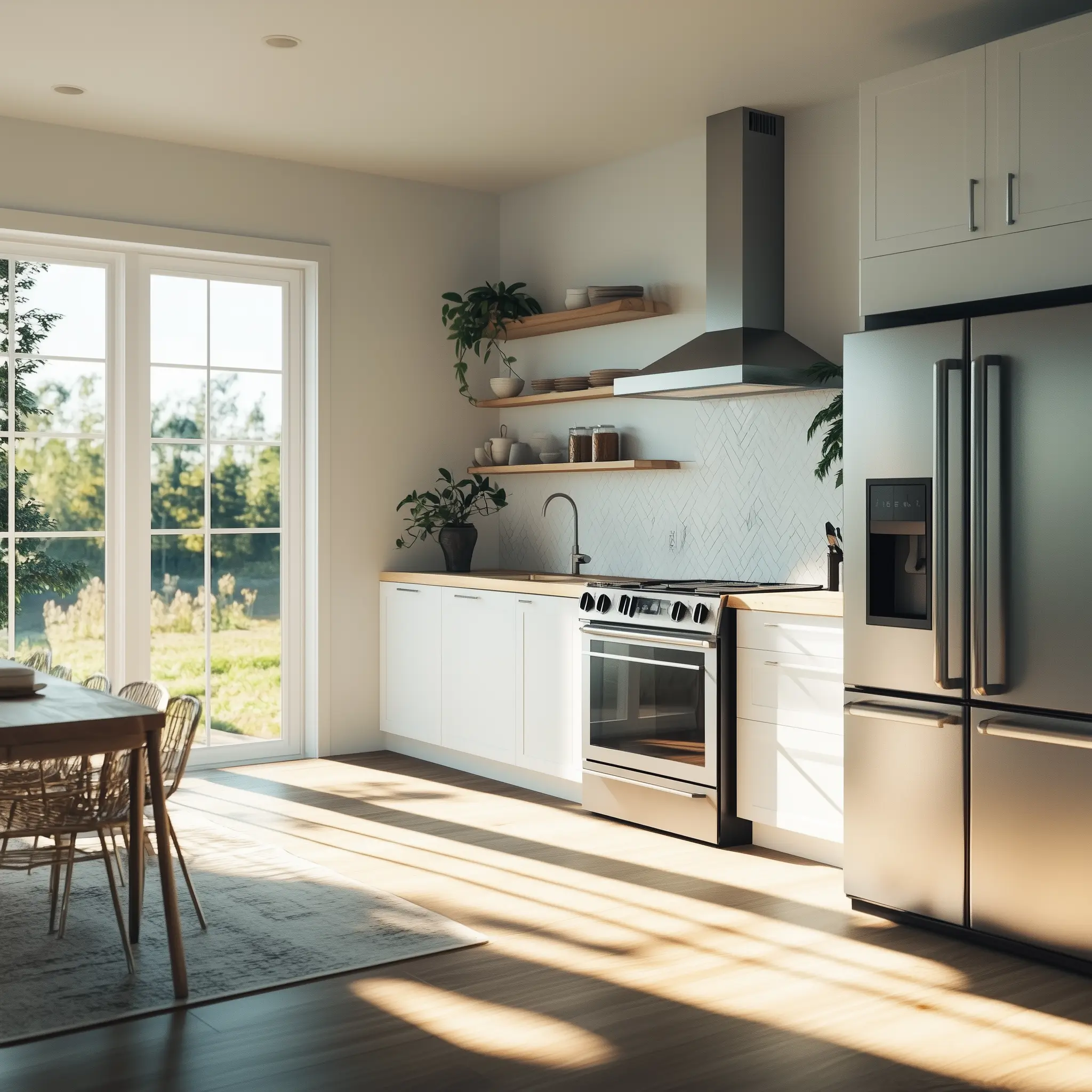
    house interior 3

    Finally, remember that a home’s location is just as important as its features. Take time to observe the neighborhood to ensure it meets your needs.

    • Noise Levels and Traffic: Consider how busy the street is and whether noise from nearby roads or businesses might be an issue.
    • Local Amenities: Check the proximity to schools, parks, grocery stores, and other essential amenities that fit your lifestyle.

    Tip: Visit the home at different times of the day to get a feel for the neighborhood and ensure it meets your expectations..

    Touring homes in [city] is an exciting process, and with a careful eye, you’ll find the right fit. By focusing on factors like layout, condition, storage, outdoor space, and location, you’ll be prepared to make a confident decision. Ready to start touring homes with a local expert by your side?

    Contact Me to Schedule Your First Home Tour in [city]!

    This field is for validation purposes and should be left unchanged.
    Name(Required)

  • How Do You Negotiate the Best Price for Buyers in [city]?

    How Do You Negotiate the Best Price for Buyers in [city]?

    Buying a home is one of the biggest investments you’ll make, and getting the best possible price is essential. Skilled negotiation can help you achieve favorable terms, ensuring that you’re making a smart financial decision. In this post, I’ll explain how I negotiate effectively to secure the best price for buyers in [city], from crafting the initial offer to managing counteroffers.

    The first step in negotiation is presenting a strong initial offer. I conduct thorough research to ensure that our offer reflects both your budget and the market value of the home.

    • Market Analysis: I analyze comparable properties (comps) recently sold in [city] to determine a fair market price. This approach helps us make an offer that’s competitive but grounded in value.
    • Strategic Offer Structuring: I tailor the offer to balance competitiveness and budget, taking into account current market conditions, property demand, and other offers.

    Tip: A well-prepared offer shows the seller that you’re serious, laying the foundation for successful negotiations.

    house interior 1

    Every seller has different reasons for selling, and understanding their motivation can give us a negotiation advantage.

    • Identifying Seller’s Priorities: I assess whether the seller values a quick closing, a higher price, or certain contingencies. This knowledge allows me to structure an offer that aligns with the seller’s goals.
    • Timing and Flexibility: Flexibility with closing dates or inspection timelines can be appealing to sellers, sometimes enabling us to negotiate a better price.

    Tip: By aligning our offer with the seller’s priorities, we increase the chances of acceptance without having to go beyond your budget.egin with residential rentals before expanding into multi-family or commercial properties.

    The home inspection is a key opportunity to negotiate. If issues are found, we can request repairs, credits, or a price reduction.

    • Inspection Contingency: An inspection contingency allows us to negotiate repairs or credits if problems arise during the inspection.
    • Prioritizing Requests: I’ll help you prioritize repair requests based on significance and cost, ensuring we focus on items that add real value.

    Tip: Strategic negotiation based on inspection findings can save you money or even lower the final purchase price.

    house interior 2

    When evaluating properties, two key metrics can help you assess their profitability: Cash Negotiation is often an emotional process, especially when buying a home. My role is to ensure we remain focused on achieving the best terms, keeping emotions from affecting our strategy.

    • Objective Guidance: I provide an objective perspective during negotiations, reminding you of your goals and guiding you through difficult decisions.
    • Focused Communication: My communication with the seller’s agent is respectful and professional, helping to maintain a constructive dialogue that keeps negotiations moving forward.

    Tip: Staying focused on the bigger picture helps avoid impulsive decisions, ensuring we get the best deal possible.

    Counteroffers are common in real estate negotiations, and knowing how to respond strategically can lead to favorable outcomes.

    • Evaluating Each Counteroffer: I analyze each counteroffer to determine if it aligns with your goals, advising on the best way to proceed.
    • Creative Solutions: When necessary, I explore options like adjusting contingencies or including additional benefits to create a mutually beneficial agreement.

    Tip: Flexibility and creativity in counteroffer responses can help us reach a successful conclusion without compromising your goals.

    house interior 3

    Real estate is a dynamic industry, and staying informed about local and national Once we reach an agreement, I work diligently to ensure that all terms are clear and favorable for you before closing.

    • Final Review of Terms: I carefully review the agreed-upon terms, ensuring that no details are overlooked.
    • Closing Assistance: From coordinating with your lender to managing paperwork, I handle the final steps with care, ensuring a smooth transition to ownership.

    Tip: Attention to detail in the final stages of negotiation protects your interests and ensures you get the best deal possible.

    Securing the best price for your new home in [city] requires experience, research, and a calm, strategic approach to negotiation. By understanding the seller’s motivation, making data-driven offers, and handling counteroffers with care, I’m dedicated to helping you achieve the best possible terms. Ready to start your home search?

    Contact Me to Begin Your Home Buying Journey in [city]!

    This field is for validation purposes and should be left unchanged.
    Name(Required)
  • Rental Property Management Essentials

    Rental Property Management Essentials

    Owning rental properties can provide a steady income stream, but effective management is key to maintaining profitability and tenant satisfaction. From tenant screening to property maintenance, managing a rental property requires organization and diligence. Here’s a guide to the essentials of rental property management in [city] to help you achieve long-term success.

    Finding reliable tenants is crucial for maintaining steady cash flow and reducing turnover. A thorough screening process helps identify tenants who are responsible, pay on time, and care for the property.

    • Credit and Background Checks: Conduct credit checks to assess financial responsibility and background checks for any red flags.
    • Rental History Verification: Contact previous landlords to verify rental history and reliability as a tenant.

    Tip: Set clear criteria and follow a consistent process to ensure fairness and compliance with local laws.

    house interior 1

    A solid lease agreement outlines the terms and conditions of the rental arrangement, protecting both you and the tenant. Ensure your lease includes all necessary clauses and follows state regulations.

    • Key Clauses: Include clauses on rent payment, maintenance responsibilities, late fees, and lease renewal terms.
    • Legal Compliance: Work with a legal professional to ensure your lease meets local and state requirements.

    Tip: A clear, legally compliant lease reduces misunderstandings and helps protect your investment.

    Efficient rent collection and careful financial tracking help you maintain cash flow and monitor property performance. Many property owners use digital tools to streamline the process.

    • Online Payment Options: Offer online payment methods for tenant convenience and timely payments.
    • Expense Tracking: Keep detailed records of income and expenses for tax purposes and financial planning.

    Tip: Automated payment reminders can reduce late payments and improve cash flow consistency.

    house interior 2

    Regular maintenance is essential for preserving property value and ensuring tenant satisfaction. Staying proactive with repairs also helps avoid costly issues down the line.

    • Routine Inspections: Schedule seasonal inspections to address maintenance needs and spot any tenant-caused damages.
    • Emergency Repairs: Be prepared to handle emergency repairs promptly to meet tenant needs and comply with local regulations.

    Tip: Build a reliable network of local contractors to handle maintenance and repairs efficiently.

    Open and respectful communication with tenants fosters positive relationships, which can lead to lease renewals and fewer vacancies.

    • Regular Updates: Keep tenants informed of any maintenance schedules, property changes, or policy updates.
    • Responsive Management: Address tenant concerns promptly, showing that you value their comfort and satisfaction.

    Tip: A positive tenant relationship can improve tenant retention, reducing turnover and associated costs.

    house interior 3
    house interior 1

    Vacancies are part of rental property management, and preparing for them effectively helps minimize revenue loss and maintain property quality.

    • Move-Out Inspection: Conduct a detailed inspection after tenants move out to assess any damages and prepare the property for new tenants.
    • Marketing the Property: Use online listings, professional photos, and detailed descriptions to attract new tenants quickly.

    Tip: Keep a checklist for preparing properties between tenants, ensuring a smooth transition and quick turnaround.

    Managing a rental property in [city] involves key steps to ensure tenant satisfaction and maintain profitability, from tenant screening to regular maintenance. By following these essential practices, you’ll be well-prepared to handle the challenges of rental property management and maximize your investment returns. Need help managing your rental property?

    Contact Me for Rental Property Management Assistance!

    This field is for validation purposes and should be left unchanged.
    Name(Required)
  • How to Evaluate a Fix & Flip Property for Maximum Profit

    How to Evaluate a Fix & Flip Property for Maximum Profit

    Fix-and-flip investing can offer substantial returns, but evaluating the right property is essential for a successful project. Knowing what to look for—and how to estimate costs and potential profits—ensures you’re making a smart, informed investment. In this guide, we’ll explore the key steps to evaluate fix-and-flip properties in [city].

    Before diving into a fix-and-flip project, understanding the local real estate market is crucial. Knowing the average selling prices, demand, and neighborhood appeal helps you assess whether the property has profit potential.

    • Neighborhood Analysis: Look for areas with growth potential or popular neighborhoods where renovated homes sell quickly.
    • Comparable Sales (Comps): Research recently sold, similar properties in the area to estimate what a renovated home might sell for.

    Tip: Neighborhoods with strong appreciation rates and buyer interest can increase your chances of a profitable sale.

    house interior 1

    The After Repair Value (ARV) is the estimated value of the property once renovations are complete. Calculating ARV is key to determining potential profits and setting your budget.

    • Research Similar Properties: Find homes in the area with similar renovations and features to get an accurate ARV estimate.
    • Consider Market Trends: Check for seasonal trends or economic conditions that may impact property values, as these can influence your ARV.

    Tip: ARV should guide your renovation budget, ensuring costs are balanced with potential profits.

    Renovation costs play a significant role in determining your profit margins. Accurately estimating costs—from minor repairs to major overhauls—helps you avoid overextending your budget.

    • Inspect the Property: Conduct a thorough inspection, identifying repairs for electrical, plumbing, roofing, and structural needs.
    • Plan Renovations Based on ROI: Prioritize renovations that add value, such as kitchen and bathroom updates, as these tend to offer the best return on investment.

    Tip: Work with a contractor to get detailed quotes and avoid unexpected expenses.

    house interior 2

    Once you have an ARV and estimated repair costs, you can calculate your maximum purchase price. This ensures you’re buying the property at a price that leaves room for profit.

    • Use the 70% Rule: A general rule for fix-and-flip investors is to aim for a purchase price that’s no more than 70% of the ARV, minus repair costs.
    • Example Calculation: If the ARV is $300,000 and repairs are estimated at $50,000, the maximum purchase price would be $160,000 ($300,000 x 0.70 – $50,000).

    Tip: The 70% Rule provides a buffer to cover additional costs and achieve a profitable resale.

    Holding costs (expenses while the property is being renovated) and selling costs can impact your profits. Make sure to include these in your calculations to avoid surprises.

    • Common Holding Costs: Include property taxes, utilities, insurance, and loan interest if financed.
    • Selling Costs: Budget for real estate agent commissions, closing costs, and any final repairs or staging needed to sell the property.

    Tip: Calculate holding and selling costs based on your estimated renovation timeline to ensure accuracy.

    house interior 3
    house interior 1

    Finally, calculate your potential profit by subtracting total costs from the ARV. This helps you decide if the property meets your investment goals.

    • Profit Calculation: Profit = ARV – (Purchase Price + Repair Costs + Holding Costs + Selling Costs).
    • Profit Margin: Aim for a profit margin that aligns with your goals, typically 10-20% or more in the fix-and-flip industry.

    Example:

    • ARV: $300,000
    • Purchase Price: $160,000
    • Repair Costs: $50,000
    • Holding & Selling Costs: $15,000
    • Estimated Profit: $75,000

    Tip: Ensure your estimated profit aligns with your desired returns before committing to the project.

    Evaluating a fix-and-flip property requires careful analysis of market trends, ARV, renovation costs, and potential profit. With a solid strategy and clear financial targets, you can maximize your investment returns in [city]. Ready to start assessing properties for your next flip?

    Contact Me for a Free Property Evaluation Today!

    This field is for validation purposes and should be left unchanged.
    Name(Required)
  • Top Investment Tips for Beginners

    Top Investment Tips for Beginners

    Starting out in real estate investing can feel overwhelming, but with the right strategies and insights, you can make informed decisions and set yourself up for success. This guide covers essential tips for new investors, from defining your financial goals to understanding property types and building a network of reliable contacts.

    Before you begin, it’s important to have clear financial objectives. Are you looking to build long-term wealth, generate passive income, or achieve short-term gains through property flipping?

    • Passive Income Goals: If passive income is a priority, rental properties can offer a steady stream of revenue.
    • Capital Gains Goals: If you’re more interested in immediate returns, consider fix-and-flip properties where you can renovate and sell for profit.

    Tip: Set both short-term and long-term goals, as real estate is a diverse asset class with many opportunities to grow your investment.

    house interior 1

    Real estate offers various investment options, each with unique benefits and risks. Knowing the differences will help you align your investments with your goals.

    • Single-Family Rentals: These properties are typically easier to manage and attract long-term tenants.
    • Multi-Family Units: Duplexes, triplexes, and apartment buildings generate multiple income streams and are ideal for scaling your portfolio.
    • Commercial Properties: For experienced investors, office spaces, retail centers, and industrial properties offer strong ROI but require a deeper understanding of market trends.

    Tip: Start with a property type that aligns with your budget and experience level. Many investors begin with residential rentals before expanding into multi-family or commercial properties.

    Your network is one of the most valuable assets in real estate. Building relationships with industry professionals can provide valuable guidance, insights, and resources.

    • Agents and Brokers: A local real estate agent can help you find deals, provide market insights, and guide you through the buying process.
    • Contractors and Inspectors: Trusted contractors and inspectors are essential for property renovations and maintenance, especially if you’re considering fix-and-flip projects.
    • Lenders and Financial Advisors: Understanding financing options and securing favorable terms can have a major impact on your returns. Speak with lenders to explore traditional, FHA, or hard money loan options.

    Tip: Attend local real estate meetups, webinars, or seminars to build connections and stay informed on market trends.

    house interior 2

    When evaluating properties, two key metrics can help you assess their profitability: Cash Flow and Return on Investment (ROI).

    • Cash Flow: Cash flow is the monthly profit after expenses. Positive cash flow properties can generate steady income and build long-term wealth.
    • ROI: ROI measures the profitability of an investment over time. Calculating ROI before purchasing a property can help you understand its potential returns and decide if it meets your financial goals.

    Tip: Consider properties in neighborhoods with rental demand and low vacancy rates, as these factors often lead to better cash flow and ROI.

    As a beginner, it’s wise to start small and scale up as you gain experience. Begin with a single-family rental or a small multi-family unit to learn the basics of property management and tenant relations.

    • Single-Family Rentals: These are typically easier to manage and involve fewer maintenance challenges.
    • Small Multi-Family Units: Duplexes or triplexes offer multiple income streams but are manageable for new investors.

    Tip: Starting with smaller properties helps you build knowledge and confidence without overwhelming risk. Once you’re comfortable, you can explore larger or more complex investments.

    house interior 3

    Real estate is a dynamic industry, and staying informed about local and national market trends can help you make smart decisions.

    • Location Matters: Property values and rental demand vary by neighborhood, so consider the long-term growth potential of the area you invest in.
    • Economic Factors: Keep an eye on factors like interest rates, local employment trends, and population growth, as they can impact property values and rental demand.

    Tip: Subscribe to real estate newsletters, follow industry news, and track market reports to stay ahead of trends and adapt your investment strategy.

    Starting your real estate investment journey in [city] with a clear strategy, an understanding of property types, and a strong network will set you up for success. With these tips in mind, you’re ready to explore opportunities that align with your goals and build lasting wealth. Have questions or ready to get started?

    Contact Me Today for a Free Consultation on Real Estate Investing!

    This field is for validation purposes and should be left unchanged.
    Name(Required)